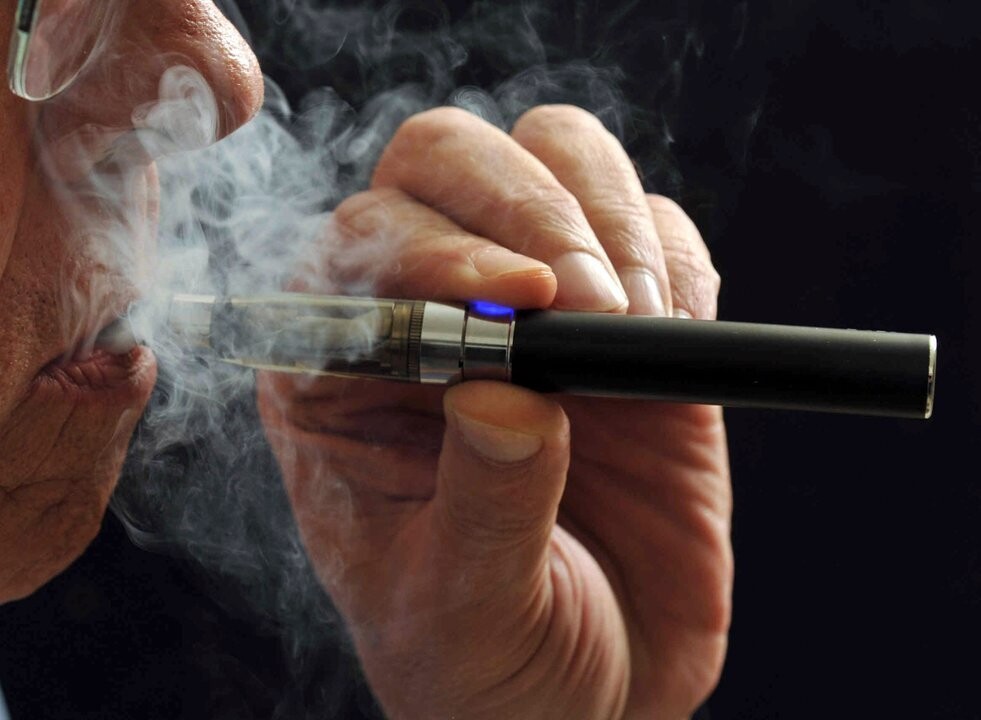
In Argentina, 9% of adolescents aged 13 to 18 use electronic cigarettes, a growing practice that concerns specialists due to the risks to physical, emotional, and cognitive health from early exposure to nicotine. In recent years, vaping has become increasingly common among young people, driven by small devices, appealing designs, and fruity flavors that create the perception of being a harmless alternative. However, most vapes contain high concentrations of nicotine, even higher than in traditional cigarettes. "Nicotine reaches the brain in seconds and quickly causes addiction, especially during adolescence, a stage where the reward system is much more vulnerable," explained the national medical director of OSPEDYC, Valeria El Haj, and warned that this early dependence increases the likelihood of later starting to smoke conventional cigarettes. A 2023 study presented by the Inter-American Heart Foundation (FIC Argentina) showed that 8.9% of adolescents aged 13 to 18 use e-cigarettes, and in the City of Buenos Aires, 38.7% of young people have tried at least one tobacco or nicotine product, according to the Argentine News Agency (Agencia Noticias Argentinas). El Haj also pointed out that vapes can contain heavy metals, solvents, and chemicals that are released when heated. Repeated inhalation irritates the respiratory tract and can cause lung inflammation, persistent coughing, and difficulty breathing, in addition to cases of severe vaping-associated lung injury being recorded. The specialist emphasized that nicotine also affects concentration, memory, and learning ability, and is associated with greater anxiety, irritability, and mood swings during withdrawal, symptoms that many adolescents describe as a device dependency. Although sales to minors are prohibited, access remains easy through kiosks, social media, and online platforms. In this context, OSPEDYC stressed the importance of dialogue in families and schools, as well as seeking professional support when consumption is already causing anxiety. "Vaping in adolescence is not a passing fad, but a phenomenon that can impact the respiratory, emotional, and cognitive health of a generation," El Haj concluded.